
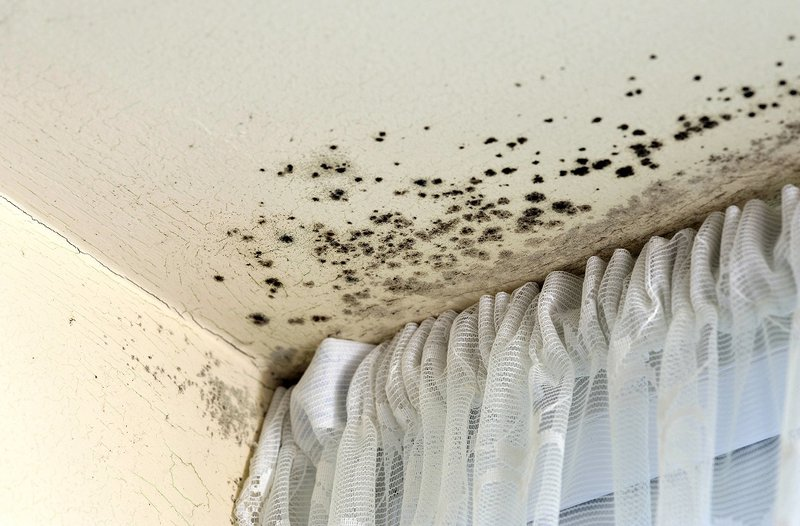
Where does it grow?
In apartment living, mould could present everywhere, both indoors and outdoors.
Indoor moulds grow in wet or moist areas that lack adequate ventilation, including walls/wallpaper, ceilings, bathroom tiles, grouts, under the carpets, woods, under the cabinet and insulation material.
Different types of moulds exist, but they all have the potential to cause health problems.
What are the possible health problems?
Mould produces tiny particles carried in the air and causes health issues when inhaled.
Health effects include runny or blocked nose, eyes and skin irritation. People with asthma, allergies, weakened immune systems and other breathing problems are more at risk of getting the infection, particularly in their lungs.
How can I prevent mould from growing in my apartment?
- Maintain proper ventilation by opening windows and turning on the exhaust fan in the bathroom.
- Reduce humidity by using Air Conditioning in Dry mode, using dehumidifiers and reducing the number of fish tanks and indoor plants
- Repair water leaks and plumbing problems.
- Reduce your furniture and what you store in the apartment.
How to remove the mould?
You can mix mild detergent, water and vinegar (1:4). You can use bleach or buy mould remover from the grocery centre for stubborn mould.
Mould in the carpet must be professional clean or even replaced.
Who is responsible?
If you have done your best, but the mould still exists, it could be that the problem is related to a building’s structural issues. You can see it noticeable when a room does not have any windows that can be opened or a bathroom with broken or without exhaust. In this case, the landlord would be responsible for working out a solution with the builder/developer. They could install an extra fan or modify the wall to allow airflow.